Diamonds are the hardest natural substance on Earth. Still, they are rarely perfect. Completely flawless diamonds are extremely rare. Nearly all natural diamonds carry some kind of imperfections. These flaws fall into two main groups: internal features called inclusions, and surface marks known as blemishes. Learning about them is essential to understand diamond clarity grading. Collectively, they are referred to as clarity characteristics, which serve as the core standard to judge a diamond’s clarity grade.
Inclusions vs Blemishes
Inclusions are flaws inside a diamond. They formed deep underground under extreme heat and pressure while the diamond was crystallizing. These natural traces act like unique fingerprints, proving a diamond is naturally mined.
Blemishes refer to imperfections on the diamond’s surface. Most of them happen during cutting, polishing or daily wear.
Common Inclusions
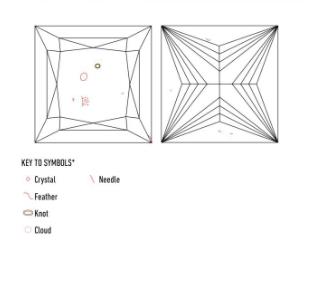
Most inclusions can only be seen under 10x magnification. Here are the most typical types.
Crystal
They are tiny mineral crystals trapped inside the diamond. Crystals can be colorless, dark, red or green. Their color, size and position decide their impact. Dark crystals stand out more and hurt clarity and appearance more than pale ones.
Cloud
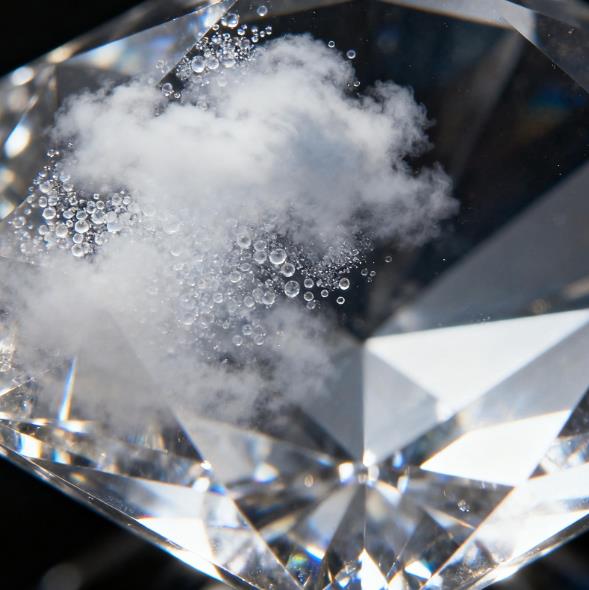
A cloud is made of countless tiny pinpoint inclusions clustered together. It looks hazy and foggy inside the stone. Large or dense clouds will reduce transparency and lower the clarity grade. Severe clouds can make a diamond look milky.
Feather
A feather is an internal crack with a feather-like shape. Small feathers rarely affect durability. But large feathers, those near the girdle or reaching the surface, may cause the diamond to chip or crack if hit.
Pinpoint
Pinpoints are tiny white crystal dots. They are one of the most common inclusions. Single or scattered pinpoints barely affect clarity. A large group of pinpoints will form a cloud.
Needle
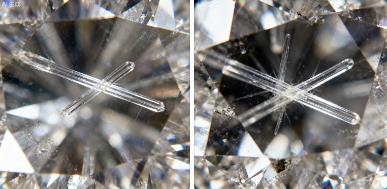
Needles are long, thin and transparent crystal inclusions. Most are colorless. They seldom downgrade clarity unless they are big or numerous.
Twinning Wisp
It is a mix of pinpoints, clouds and small crystals, caused by distorted crystal structure during growth. It often appears as wavy or thread-like lines. Noticeable twinning wisps will bring down the clarity grade.
Common Blemishes
Most surface blemishes can be removed by repolishing. Sometimes a light polish is worthwhile to improve clarity. Yet experts may choose to leave them untouched, to avoid cutting down the diamond’s carat weight.
Extra Facet
It is an extra polished facet, usually made to remove a small inclusion near the edge. It is tiny and does not ruin look or durability.
Polish Lines
These are fine lines left on facets during polishing. On diamonds with excellent or very good polish, they are only visible under magnification. Poor polish lines will weaken a diamond’s luster.
Scratch
Scratches are thin marks on the surface. Minor scratches have little effect on clarity. Deep scratches can be fixed by repolishing.
Natural
A natural is a piece of the original rough diamond skin, mostly kept on or around the girdle. It is seen as proof of natural origin and is not considered a defect.
Chip
A chip is a small nick on the girdle or facet edges. It is caused by impact during cutting or wearing. Big chips will threaten the diamond’s durability.
Cavity
A cavity is an opening on the surface, left after removing a surface inclusion during polishing. Large cavities hurt clarity and easily collect dirt.
Why Clarity Matters
Clarity is one of the 4Cs that define a diamond’s quality, along with color, cut and carat weight. Graders evaluate clarity based on each flaw’s size, quantity, location, type and visibility.
Location matters greatly. Inclusions right below the table are much easier to spot than those near the girdle. The type of flaw tells its nature and potential risk to the diamond structure. Relief means the contrast between an inclusion and the surrounding diamond. Dark inclusions always show more clearly.
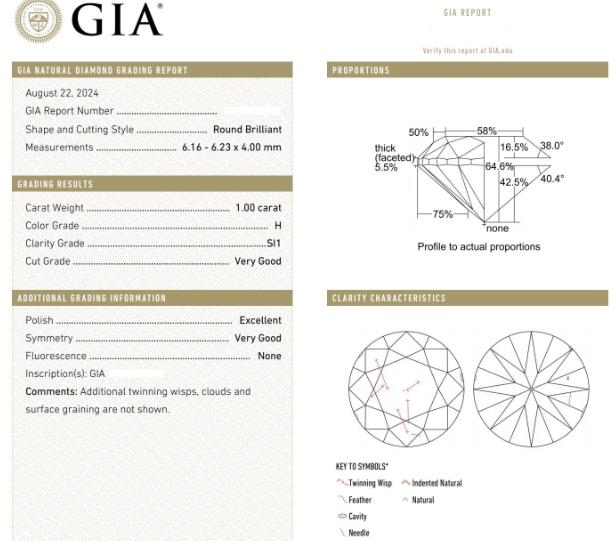
Authorities like GIA examine diamonds strictly under 10x magnification. They assign grades ranging from Flawless (FL) to Included (I3).
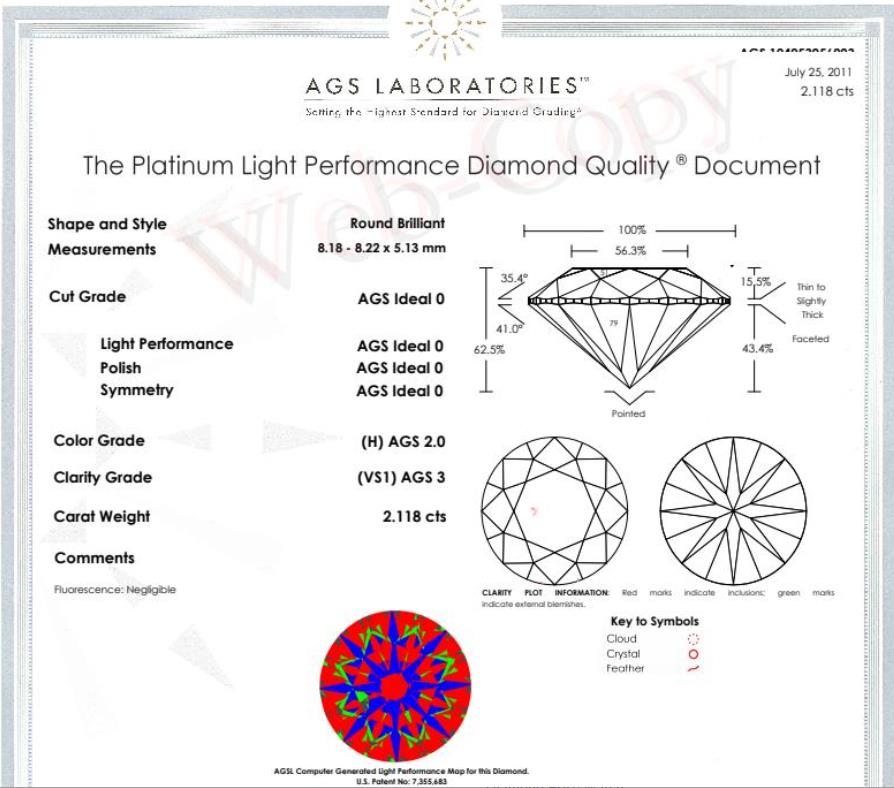
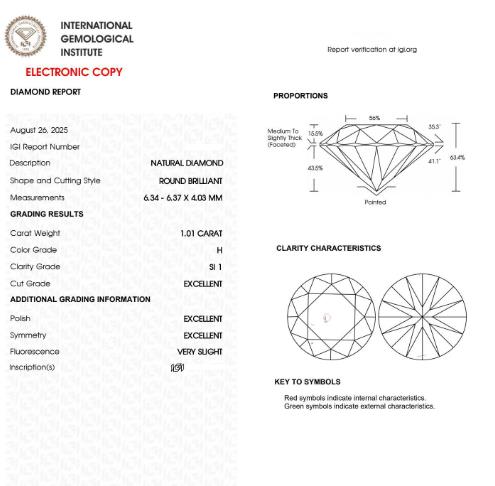
Inclusions and blemishes record a diamond’s long formation history underground. They are not always drawbacks. They are natural marks of a genuine diamond. It is not practical to chase a totally flawless diamond, for they are extremely rare and costly. A wise choice is to pick an eye-clean diamond — flaws cannot be seen by naked eyes, and will not harm beauty or structure. Always check official certificates such as GIA reports and consult reliable jewelers. In this way, you can fully know a diamond’s clarity features and make a smart purchase.
Not all diamond flaws are created equal. Some inclusions and surface blemishes are completely harmless. They do not affect the diamond’s beauty, brilliance, durability or daily wear. These minor imperfections are totally acceptable and worth buying, allowing you to get a high-quality, eye-clean diamond at a more reasonable price. However, certain critical flaws should never be overlooked. Some inclusions and cracks can impact the diamond’s structural stability, light performance and overall appearance. They may even lower the stone’s long-term value and durability. Many customers feel confused when selecting diamonds. It can be tricky to tell which imperfections are safe and which ones will cause future problems. If you have any doubts or questions during your diamond selection process, do not hesitate to reach out to us. Our professional team is always here to provide you with reliable, expert guidance to help you pick the perfect diamond for your budget and needs.
钻石.jpg)
