Not all diamonds are worth buying!!!
Both milky tint and brown hue:Tap to see full diamond info
This diamond has milky:Click view detailed diamond information
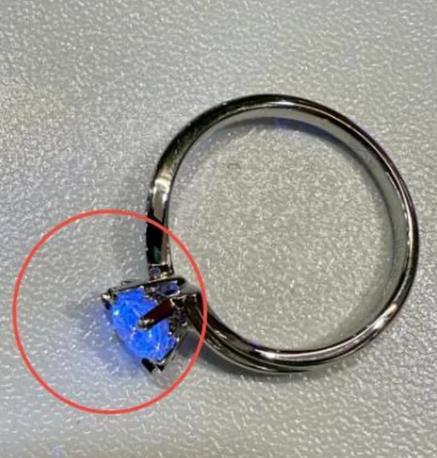
This diamond has green fluorescence.:View diamond details
This diamond has a cavity:See the diamond details
A common concern among diamond buyers is whether diamonds sold by Blue Nile are genuine. The definitive answer is yes. Every diamond available on Blue Nile’s platform is authentic, with no fake simulants or misrepresented stones in its inventory. Blue Nile offers two legitimate categories of real diamonds: naturally mined earth diamonds and high-quality lab-grown diamonds, both of which stand firmly apart from counterfeit gemstones like cubic zirconia and moissanite.
Many consumers mistakenly regard lab-grown diamonds as fake diamonds, but this is a widespread misconception. In essence, lab-grown diamonds are genuine diamonds with identical core characteristics as natural mined diamonds. Cultivated in controlled laboratory environments that replicate the Earth’s natural diamond-forming conditions, they possess exactly the same chemical composition, physical structure, and optical properties as natural diamonds. They feature the same extreme hardness, brilliant sparkle, fire, and durability that define genuine diamonds, making them indistinguishable from natural diamonds to the naked eye and even under professional gemological testing.
What distinguishes lab-grown diamonds from natural ones lies only in their formation origin, not their essence. Natural diamonds take billions of years to form deep within the Earth’s mantle, while lab-grown diamonds are created artificially in a short period. Despite this difference in production process, both are pure carbon crystal diamonds, not synthetic imitations. Blue Nile strictly clarifies this core fact to eliminate consumer confusion and uphold full transparency in product classification.
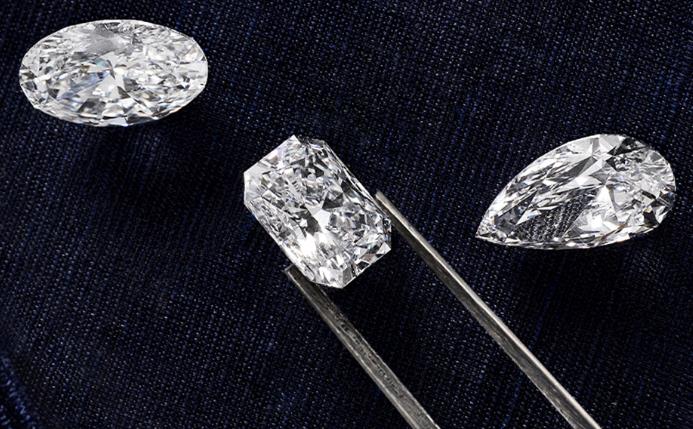
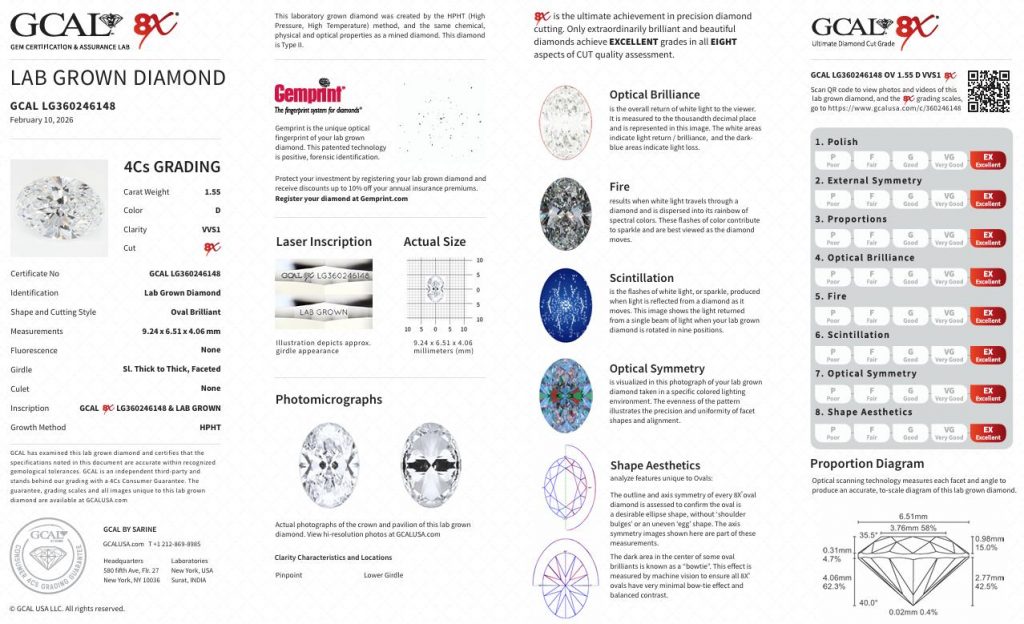
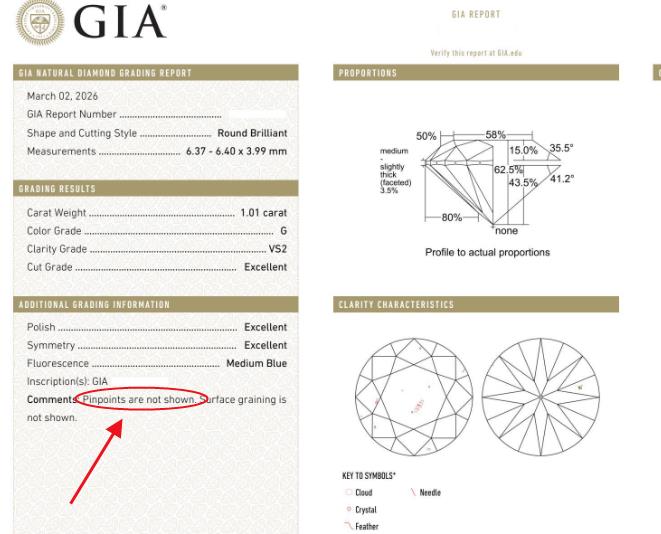
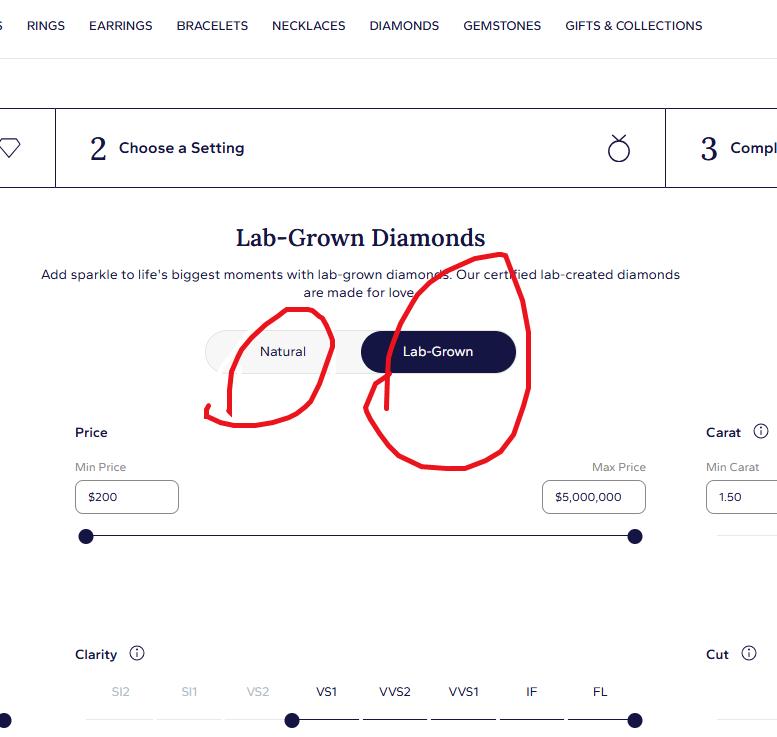
Integrity in product labeling is one of Blue Nile’s most critical operational principles. The brand never engages in misleading sales practices. It will never sell lab-grown diamonds as rare natural mined diamonds to seek higher profits. Every product page clearly marks the diamond type, and official certificates from authoritative laboratories such as GIA and IGI explicitly state whether a diamond is natural or lab-grown. Customers can easily verify the stone’s identity and specifications through independent official systems.
Furthermore, Blue Nile never replaces real diamonds with common fake alternatives. Cubic zirconia and moissanite are typical diamond simulants with vastly different chemical and physical traits from real diamonds. They lack the unique crystal structure and stable properties of carbon-based diamonds. Blue Nile’s strict quality control system and professional gemologist inspections completely rule out such simulants in its diamond products, ensuring every item customers purchase is a true diamond.
- Why people sometimes doubt they’re real
Even with verified authenticity, many shoppers still doubt whether Blue Nile diamonds are real, primarily due to the brand’s noticeably lower pricing. Blue Nile’s diamonds are typically 30 to 40 percent more affordable than those sold by traditional brick-and-mortar jewelers, yet this price gap never indicates inauthentic or low-quality stones. The brand’s competitive low cost stems entirely from its streamlined business model with no hidden gimmicks or compromised quality. Unlike physical jewelry stores, Blue Nile operates purely online, eliminating expensive overhead costs such as physical store rent, in-store display maintenance, and sales staff commissions. Additionally, the brand adopts direct wholesale diamond sourcing, cutting out multiple middleman markups that drastically inflate prices in the traditional jewelry industry. These operational advantages allow Blue Nile to offer genuine, certified diamonds at a far lower market price while maintaining strict quality and authenticity standards.
In conclusion, all Blue Nile diamonds are authentic. Lab-grown diamonds are real diamonds in every scientific sense, and the brand’s strict labeling rules and rigorous quality checks guarantee zero misrepresentation. Its affordable pricing stems from an online-only business model rather than compromised authenticity, allowing consumers to purchase genuine, reliable diamonds with full confidence.