HPHT Lab Grown Diamonds

HPHT is one of the earliest invented ways to make lab-grown diamonds, and this technology is already very mature. HPHT stands for High Pressure High Temperature, which we call high temperature and high pressure method for making cultivated diamonds. This tech copies the natural environment where real diamonds form deep inside the earth’s mantle. The machine used to make synthetic diamonds looks just like a huge pressure cooker. Inside a tiny sealed chamber, workers put carbon materials under extreme pressure, around 5 to 6 GPa, and high temperature from 1400 to 1600 degrees Celsius. Under such conditions, carbon atoms will rearrange and turn into brand new diamonds.

The production steps of HPHT diamonds

First of all, we need to get all raw materials ready. Inside a carefully built press chamber, we place high purity carbon sources, most of them are graphite, and a very small diamond seed crystal.

Next step is adding catalyst. People put metal catalyst into the chamber. It is usually alloy mixed with iron, nickel and cobalt. These metal materials can lower the energy needed for diamond to form under high heat and pressure. It helps graphite change into diamonds much easier.

Then we create the extreme growing environment. Turn on the big press machine. The chamber will get pressure as strong as the place more than 150 kilometers under the ground. The pressure keeps at 5-6 GPa, and temperature stays between 1400℃ and 1600℃ all the time.

After that comes melting and crystal growing. In this tough environment, the metal catalyst melts first, and then it dissolves the graphite carbon. The dissolved carbon atoms move through the hot liquid metal, and stick on the small diamond seed which has a little lower temperature. Little by little, the crystal grows bigger and bigger.

When the growth is done, we start to cool down and release pressure. The whole growing process can take several days or even weeks. After temperature and pressure back to normal, we take out the rough diamond crystal. At this moment, the raw diamond is always covered with metal catalyst on its surface.

The last work is cutting and polishing. Workers clean off all the metal stuff on rough diamonds. Then professional craftsmen cut and polish the crystals carefully. Finally, we get finished diamonds ready to sell.

Features of HPHT diamonds

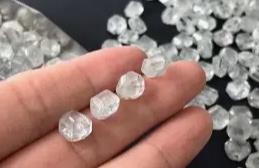
The rough crystals of HPHT diamonds usually have a special shape, mixed with cube and octahedron form. It is totally different from natural diamonds which are mostly octahedron, and CVD diamonds that look like flat plates.

HPHT tech is really good at making colorless diamonds in D-E-F color grade, and blue diamonds too. The blue color comes from boron element inside the crystal. It can also produce many other fancy colored diamonds, such as yellow and yellow-green ones.

Because metal catalyst is used during production, tiny metal inclusions can be found inside some HPHT diamonds. If you look under a microscope, these inclusions are small dark dots with metal shine. What’s more, most of these diamonds have magnetism. You can use a strong magnet to test it, the stone will be attracted.

Famous gem labs like GIA and IGI can do full identification for finished HPHT diamonds. Every official certificate will clearly mark it as Laboratory-Grown diamond, and note HPHT as its growing method. The metal inclusions and unique fluorescence pattern are the main clues for experts to tell HPHT diamonds apart.
Blue Nile diamonds are worth buying:1,Both milky tint and brown hue:Tap to see full diamond info 2,The diamond has milkiness:Click to view detailed diamond information 3,The diamond has medium green fluorescence.:View details 4,The diamond has a cavity:See details

HPHT Lab-Grown Diamonds

HPHT and CVD technology comparison

There are two main technologies to make lab diamonds in the market, HPHT and CVD. They work in different ways.

HPHT imitates the underground nature environment. It melts graphite carbon with high pressure and heat, then makes it recrystallize into diamonds. CVD uses gas as raw material. Carbon atoms separate from gas and slowly build up on diamond seeds.

Their crystal shapes are not the same. HPHT diamonds are cube or octahedron shape. CVD diamonds are flat and board-like.

In color performance, HPHT works best for colorless diamonds, blue diamonds and fancy yellow diamonds. Most original CVD diamonds have brown or grey tint. People often use HPHT treatment later to remove the bad color and turn them colorless.

For inclusions inside stones, HPHT has metal inclusions with magnetism. CVD diamonds contain graphite or other non-metal impurities, and they do not have magnetism at all.

When it comes to usage, HPHT is widely used for small diamonds, colorless stones and colored diamonds. It also acts as a color improvement process for CVD diamonds. CVD is more popular for big size diamonds and fancy shaped diamonds in the market.

HPHT is a steady and well-developed lab diamond technology. It gains great reputation for nice colorless and colored diamonds. When you plan to buy one, please check the official certificate first. Learn about its possible magnet feature, and choose honest and reliable sellers. In this way, you can get a satisfying HPHT diamond.

HPHT lab-grown diamonds are real diamonds. They share the same chemical composition, physical property, hardness and optical effect with natural diamonds. They are not diamond simulants like moissanite or cubic zirconia.

The price of HPHT diamonds is much lower. It is only one sixth to one thirteenth of natural diamonds in same grade. Even people with limited budget can afford big and high quality diamonds now. Always ask sellers for certificates from GIA or IGI. The papers can prove the diamond’s real 4C standard and confirm it is lab-grown.

Some HPHT diamonds have weak magnetism because of inner metal inclusions. You can test it with a strong neodymium magnet. This is a normal feature of HPHT diamonds, not a quality defect. But sellers should tell buyers this point clearly before deal. CVD diamonds never have magnetic property.

HPHT has great advantages on cost and efficiency when producing small melee diamonds and colored diamonds, especially blue and yellow ones. A large number of colorless CVD diamonds on sale today are processed by HPHT heat treatment to get rid of unwanted color tone.
CVD lab-grown diamond

CVD lab grown diamonds

CVD lab-grown diamond is one of the most popular technologies for making lab diamonds right now. It is a kind of gem made by modern advanced technology, and it is exactly the same as natural diamond in all aspects. It gives people a good choice to get bigger and better quality diamonds at a much lower cost. When you plan to buy one, remember to pick reliable sellers and check official certificates carefully.

CVD stands for Chemical Vapor Deposition, its Chinese name is chemical vapor deposition method. This tech can create a natural-like environment inside a lab, and let diamond grow layer by layer. Many people describe it as growing diamonds like planting crops. Workers put a tiny diamond seed into a sealed chamber. Then they fill the space with carbon-rich gas such as methane, and add energy with microwave equipment. The carbon atoms in the gas will fall down on the seed little by little, just like snowflakes. After a period of time, these atoms build up and turn into rough diamond crystals.

The production steps of CVD lab-grown diamonds

First step is preparing the diamond seed. People place a thin slice of natural diamond or existing lab-grown diamond as the base seed, and put it into a sealed vacuum growth chamber.

Next is gas injection. The chamber will be heated up to a high temperature, around 800 degrees Celsius. Then workers pump carbon-containing gas like methane and hydrogen gas into the closed space.

The third step is gas ionization. Microwave energy is used to ionize the mixed gas, turning it into plasma with high chemical activity. In this state, carbon atoms are separated from methane molecules completely.

Then comes carbon atom deposition. Those free carbon atoms float in the chamber and settle on the diamond seed slowly, one layer after another just like fine dust.

After that is crystal growth. All carbon atoms arrange themselves following the standard diamond crystal structure. They keep stacking day after day. This process usually takes several weeks or even longer, until a complete rough diamond crystal is formed.

The last step is cutting and polishing. The rough diamond is sent to professional cutting factories. Experienced craftsmen cut and polish it in the same way they deal with natural diamonds. Finally, the raw stone becomes finished diamond products.

Main features of CVD diamonds

CVD diamonds usually have high clarity. The whole growing process is easy to control, so there are fewer metal catalyst inclusions inside. But they may have special inclusions, such as black carbon or graphite spots.

Most raw CVD diamonds show light brown or grey color tone. Most of them need extra HPHT high pressure and high temperature treatment later. This common industry process can turn them into colorless diamonds graded D to F, or near-colorless ones from G to J. This kind of post-treatment is widely used and well known in the diamond business.

This technology is good for making flat-shaped diamond crystals. It is perfect for producing fancy shapes like princess cut, cushion cut and radiant cut diamonds. However, if people want to make large round brilliant diamonds with CVD method, it will waste more raw materials.

Blue Nile diamonds are worth buying:1,Both milky tint and brown hue:Tap to see full diamond info 2,The diamond has milkiness:Click to view detailed diamond information 3,The diamond has medium green fluorescence.:View details 4,The diamond has a cavity:See details

Professional gem labs such as GIA and IGI can fully identify CVD lab-grown diamonds. They will issue formal grading certificates, which clearly mark that the diamond is lab-grown and produced by CVD technology.

CVD VS HPHT, two main lab diamond technologies

CVD and HPHT are the two leading ways to create man-made diamonds in the market. Their working principles are quite different.

For CVD technology, carbon atoms separate from gas and deposit on the seed crystal. It is like growing diamonds from gas. As for HPHT, it simulates the deep underground environment of the earth. Workers melt carbon sources like graphite under extreme high temperature and pressure, then let carbon recrystallize into diamonds.

CVD diamonds mostly form flat plate-shaped crystals. HPHT diamonds often appear in cube or octahedron shapes.

In color performance, original CVD diamonds often carry brown or grey shades. They almost need post treatment to improve color. HPHT diamonds tend to show blue or yellow hints because of boron and nitrogen elements inside, while it is also easy to make colorless HPHT diamonds.

In terms of clarity, CVD diamonds generally have better clarity, and their main inclusions are carbon spots. HPHT diamonds may contain metal catalyst inclusions. Some of them can be slightly attracted by strong magnets.

Nowadays, CVD takes a larger share in the market, especially for medium and large sized diamonds. HPHT is a more traditional method. It is widely used for small diamonds and color enhancement treatment.

It is very important to know that CVD lab-grown diamond is real diamond. It shares the same chemical composition, physical features and optical performance with natural diamonds. Both are pure carbon cubic crystals. Its Mohs hardness reaches level 10. The fire and sparkle of CVD diamonds are no different from natural ones at all.

The price of CVD lab-grown diamond is only one sixth to one fifteenth of natural diamond with the same 4C grade. It has an extremely high cost performance. When shopping, always choose diamonds with official certificates from GIA, IGI and other authoritative organizations. These certificates can prove the true quality of 4C standards, and clearly label the stone as Laboratory-Grown diamond.

Almost all colorless CVD diamonds sold on the market have gone through HPHT post-treatment to remove brown color. This is a normal and acceptable optimization method in the industry. Honest and trustworthy sellers should take the initiative to tell customers about this treatment. On GIA certificates, there will be notes saying Indications of post-growth treatment to record this situation.

As a high-tech product, producing CVD diamonds causes much less damage to the environment compared with traditional diamond mining. It also avoids the problems of conflict diamonds. It fits the eco-friendly and ethical consumption ideas of modern people.

結婚對戒選購

什麼是對戒?

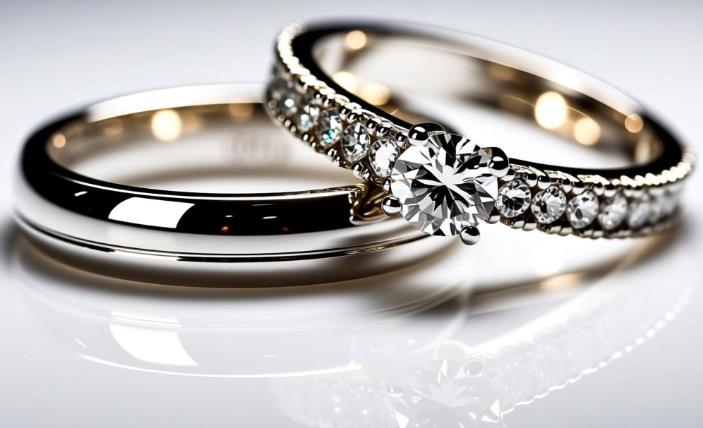
對戒,也稱為結婚戒指結婚對戒,是夫妻在婚禮上交換並在婚後日常佩戴的戒指。它象徵著婚姻的承諾、永恆和雙方的連結。

與訂婚戒指的區別:

  • 訂婚戒指:通常帶有一顆主鑽(或其他寶石),風格較華麗,用於求婚。
  • 對戒:通常設計更簡約、低調,以舒適和耐用為首要考量,用於婚姻生活中的日常佩戴。

選擇對戒的關鍵

選擇對戒需要綜合考慮多個方面,以下是最重要的決策點:

1. 材質 (Metal Type) – 決定了耐久度、顏色和價格

材質優點缺點適合人群
18K 金顏色豐富 (K黃、K白、玫瑰金),價值感高,光澤亮麗較軟,日常磨損下更容易出現刮痕看重材質價值、喜歡豐富顏色、不常進行粗重工作的人
14K 金硬度高、非常耐磨性價比高,顏色選擇多含金量較低(58.3%),顏色略淡於18K金大多數人的首選,適合日常佩戴,平衡了美觀與耐用
鉑金 (Platinum)最耐用、最稀有,天然純白色永不褪色,低過敏性價格最高,重量較重(有份量感),表面磨損後是「金屬位移」而非掉落追求極致耐用、對金屬過敏、喜歡鉑金沉重質感的人
鈀金 (Palladium)與鉑金外觀相似,較輕且價格更低,低過敏性稀有度不如鉑金,市場上較少見喜歡鉑金外觀但預算有限的人
鈦金屬 / 鎢金極度堅硬、耐磨價格低廉,重量輕無法修改尺寸,款式較單一,缺乏貴金屬價值感從事體力勞動、追求極致耐用性、預算極有限的人

建議: 14K金 和 鉑金 是對戒最經典和實用的選擇。

Blue Nile diamonds are worth buying:1,Both milky tint and brown hue:Tap to see full diamond info 2,The diamond has milkiness:Click to view detailed diamond information 3,The diamond has medium green fluorescence.:View details 4,The diamond has a cavity:See details

2. 款式設計 (Style & Design)

  • 經典素圈:沒有任何鑲鑽或雕刻的光面戒指。最舒適、最耐看、永不過時,是許多人的首選。
  • 半圈鋪鑲:戒指的正面半圈鑲嵌小鑽石,內側則為素面。兼具閃耀度和性價比,佩戴時能看到閃光,但價格低於全鑽款。
  • 全圈鋪鑲:整個戒圈都鋪滿小鑽石。最為閃耀奪目。缺點是無法修改尺寸,且日常磨損可能導致小鑽石鬆脫(需定期檢查)。
  • 雕刻圖案:在戒指內側或外側雕刻對你們有特殊意義的日期、文字、指紋或圖案,增加獨特性。
  • 搭配性:考慮您的對戒與訂婚戒指(如果有的話)疊戴的效果是否和諧。

3. 舒適度 (Comfort)

對戒需要長時間佩戴,舒適度至關重要。

  • 戒圈內緣:選擇Curved Comfort Fit設計,內緣呈弧形,相比平直的標準圈佩戴感更舒適,不勒手指。
  • 寬度與厚度:一般來說,戒圈越寬(如超過6mm),存在感越強,但可能不太適合手小的人。較窄的戒圈(如4-5mm)更顯秀氣。建議親自試戴不同寬度的款式。
  • 試戴!試戴!試戴!:重要的事情說3遍,務必和伴侶一起去實體店試戴。照片和實物上手的效果可能完全不同。

4. 尺寸 (Ring Size)

手指尺寸在一天中會有細微變化(受溫度、水分攝入影響),最好在下午或晚上(手指通常是一天中最腫的時候)去測量尺寸,這樣能確保戒指在任何時候都不會太緊。

5. 預算 (Budget)

對戒的價格範圍很廣,從幾千元到十幾萬元不等。提前設定一個合理的預算範圍,可以幫助你們更快地縮小選擇範圍。

選購流程建議

  1. 初步溝通:和伴侶討論你們對材質、款式和預算的初步想法。
  2. 蒐集資訊:瀏覽品牌官網或珠寶店,將喜歡的款式圖片保存下來。
  3. 實體試戴最重要的一步):預約到店試戴。戴上你們喜歡的款式,感受其舒適度、重量和上手效果。
  4. 最終決定:綜合試戴體驗、價格和品牌服務,做出決定。記得檢查戒指的內側刻字(如材質、品牌標誌等)。如果考慮在Bluenile或者Jamesallen購買,可以記下尺寸。
  5. 保固與服務:瞭解品牌的保修政策(如免費清洗、保養、檢查鑲嵌是否牢固等)、改圈口服務終身維護條款。

總結:
選擇對戒是一個充滿愛意的過程。沒有最好的戒指,只有最適合你們的戒指。 它承載的是你們之間獨一無二的故事和承諾,因此雙方的共同喜好和日常的實用性才是最重要的決定因素,對戒不僅是愛情的信物,更是需要每天佩戴的珠寶。祝你們找到那對見證你們愛情的完美戒指。

培育鑽石是真鑽石嗎

化學、物理和光學性質上來說,實驗室培育鑽石與天然鑽石完全相同。培育鑽石不是仿鑽,比如莫桑石、立方氧化鋯等等。

打個比方,可以將它們理解為:天然鑽石比如是來自於野外生長的鮮花,貴在天然和稀有。 培育鑽石是來自於溫室大棚栽培的鮮花,貴在成本低。 而仿鑽(比如立方氧化鋯,莫桑石等)是仿製的塑膠鮮花,或者樹脂鮮花,有的會更漂亮,更鮮豔。 雖然都是鮮花,只是形成的環境和時間不同,人工影響的多少。

實驗室培育鑽石與天然鑽石完全相同。培育鑽石不是仿鑽,比如莫桑石、立方氧化鋯

為什麼培育鑽石是真鑽石?

國際權威機構,如美國寶石研究院(GIA) 和國際寶石學院(IGI),都為培育鑽石出具鑑定證書。它們對鑽石的評級標準(4C標準:克拉、顏色、淨度、切工)與天然開採鑽石完全一致。

Blue Nile diamonds are worth buying:1,Both milky tint and brown hue:Tap to see full diamond info 2,The diamond has milkiness:Click to view detailed diamond information 3,The diamond has medium green fluorescence.:View details 4,The diamond has a cavity:See details

以下是天然和培育鑽石關鍵的相同點與不同點:

特性培育鑽石 (Lab-Grown Diamond)天然開採鑽石 (Mined Diamond)說明
化學成分純碳 (C)純碳 (C)兩者都是碳元素的立方晶體,這是鑽石的根本定義。
原子結構立方晶系立方晶系擁有完全相同的晶體結構,這決定了鑽石的硬度、光澤和火彩。
物理性質硬度10,導熱性高硬度10,導熱性高擁有完全相同的物理特性,專業鑽石檢測筆無法區分。
光學效果相同的火彩、閃耀度和亮度相同的火彩、閃耀度和亮度肉眼和絕大多數儀器無法分辨兩者的外觀差異。
形成方式實驗室模擬地底環境
(高溫高壓法-HPHT 或 化學氣相沉積法-CVD)
地底深處自然形成
(歷經數十億年)
這是兩者最核心的區別,一個是科技產物,一個是自然產物。
來源實驗室礦場
價格便宜很多 (約為開採鑽石的1/3甚至更低)非常昂貴培育鑽石價格更具競爭力,能用同樣預算買到更大或品質更好的鑽石。
內含物有不同類型的內含物 (如金屬觸媒、雲狀物等)有不同類型的內含物 (如晶體、羽狀紋等)兩者都有內含物,但類型可能不同,需要專家在顯微鏡下才能區分。
稀有性可無限生產,不稀有有限資源,相對稀有開採鑽石的價值部分建立在其稀有性和自然形成的故事上。
環境與道德通常被認為更環保 (耗水較少、土地破壞少)、無道德爭議 (衝突鑽石)可能涉及環境破壞、碳排放及道德爭議這是許多人選擇培育鑽石的主要原因。

天然和培育鑽石之間有什麼區別?

最大的區別在於來源(Origin) 和稀有性(Rarity)

  1. 形成過程:一個在實驗室裡用幾週時間長成,一個在地底經過數十億年自然形成。
  2. 稀有性:天然鑽石是有限的自然資源,而培育鑽石理論上可以無限生產。這直接導致了它們巨大的價格差異
  3. 價值:天然鑽石因其自然稀缺性和悠久的歷史,在二手轉賣市場(resale value) 上通常保有更高的價值。培育鑽石技術在不斷進步,產量越來越大,其重置成本(replacement cost) 和轉賣價值目前相對較低。

結論:您該如何選擇?

  • 選擇培育鑽石,如果您:
    • 追求性價比,想用同樣的預算買到更大或更高品質的鑽石。
    • 看重環保和道德因素,希望選擇一個對地球更負責任的選項。
    • 認為鑽石的美觀和象徵意義比其轉售價值更重要。
  • 選擇開採鑽石,如果您:
    • 非常看重其「天然形成」的稀有性和億萬年歷史的浪漫故事。
    • 將其視為一種傳世或潛在的價值儲存方式(儘管鑽石零售價並不等于回收價)。
    • 偏好自然產物而非人造產物的傳統觀念。

培育鑽石無疑是真鑽石。它們在化學、物理和光學特性上與天然開採鑽石毫無二致。您的選擇最終應取決於個人價值觀、預算和對稀有性、環保及價值保留的看法。

18K金和14K金有什麼區別

選擇金飾時,14K和18K是最受歡迎的兩種選擇。18K金和14K金的主要區別在於含金量,而含金量的不同直接導致了它們在顏色、硬度、耐用度、價格和過敏性上的差异。 簡單來說:18K金:含金量更高,更貴重,材質較軟,更顯色(尤其黃色),但更易刮花。 14K金:含金量較低,更堅硬,更耐磨,價格更親民,是日常佩戴首飾的理想選擇。對於大多數人日常佩戴的戒指和手鍊,14K金是實用性和價格的完美平衡點。而對於追求經典、貴重感和低過敏性的首飾,18K金則是更傳統和高端的選擇

18K金和14K金區別深入解析

1. 含金量 (Gold Content)

這是所有區別的根源。黃金的純度用“K”來表示。

  • 24K金 = 100% 黃金(質地非常軟,不適合製作首飾)
  • 18K金 = 18/24 = 75% 黃金
  • 14K金 = 14/24 ≈ 58.3% 黃金

其餘的百分比是如銀、銅、鋅、鈀等金屬,這些金屬被稱為“合金”。添加合金是為了增加強度、改變顏色(製成白K金、玫瑰金等)。

Blue Nile diamonds are worth buying:1,Both milky tint and brown hue:Tap to see full diamond info 2,The diamond has milkiness:Click to view detailed diamond information 3,The diamond has medium green fluorescence.:View details 4,The diamond has a cavity:See details

Karat ValueGold PercentageOther Metals
24K99.9%0.1%
22K91.7%8.3%
18K75.0%25.0%
14K58.3%41.7%
10K41.7%58.3%

2. 顏色 (Color)

雖然兩者都有K黃、白K金、玫瑰金等顏色,但因含金量不同,色澤有細微差別。

  • 18K黃金:由於黃金含量高,它的黃色更加飽和、濃郁,更接近純金的色澤。
  • 14K黃金:黃色會稍淡一些,因為摻入了更多的其他金屬。
  • 18K玫瑰金:因為銅(呈現紅色)的比例可以調得更高,所以粉色或玫瑰色調通常更為明顯和鮮艷。
  • 白K金:兩者都需要在外層鍍一層(Rhodium)來呈現閃亮的銀白色。18K白金的底色更接近黃色,14K白金的底色略偏灰白。兩者佩戴久了鍍層都可能磨損,露出原本的淡黃色底色,需要重新鍍銠來恢復亮白,這點上沒有太大區別。

3. 硬度與耐用度 (Durability)

這是影響選擇的關鍵因素

  • 14K金明顯更堅硬、更耐磨。因為它含有更多其他金屬,這些金屬極大地增強了整體的強度,使其非常適合製作每天佩戴、容易受到磕碰的戒指(如婚戒)、手鍊等。它不易刮花和變形。
  • 18K金相對較軟,長期日常佩戴更容易出現刮痕和磨損。但也因為它較軟,在鑲嵌寶石(尤其是大鑽石)時,包爪會更緊固,能更好地抓住寶石。

4. 過敏性 (Allergy)

  • 18K金由於含金量高(黃金是已知最不易導致過敏的金屬之一),致敏的可能性非常低
  • 14K金因為含有較多其他金屬,如果佩戴者恰好對其中的某種合金(如鎳,但現在很多品牌已禁用含鎳的合金)敏感,則有可能引起皮膚過敏反應。但大多數人佩戴14K金都沒有問題。

5. 價格 (Price)

  • 由於黃金本身的價值,18K金的價格自然高於14K金。對於一件同樣工藝和重量的首飾,18K金的成本會更高。

18K金和14K金區別詳細對比表

特性18K金14K金贏家
含金量75% 黃金 + 25% 其他金屬58.3% 黃金 + 41.7% 其他金屬18K金
標記AU750, 18K, 750AU585, 14K, 585
顏色黃色更濃郁(K黃),玫瑰金更粉紅,白金鍍銠後更亮白黃色略淡(因含金量低),顏色稍顯蒼白18K金
硬度與耐用度較軟,相對容易刮花和變形,但鑲嵌大鑽石更穩固非常堅硬,極其耐磨,抗變形,適合日常佩戴14K金
過敏性較低(因含金量高,黃金本身不致敏)較高(因混合金屬多,可能對合金金屬過敏)18K金
價格更高(因黃金含量高)更低(更經濟實惠)14K金
常見用途高級珠寶、婚戒、設計師款、鑲嵌大主石日常首飾、複雜設計的戒指、手鍊、項鍊各有千秋

如果你更看重首飾的黃金含量和貴重内容。 或者皮膚容易對金屬過敏,可以選擇18K金。
假如你的首飾需要每天佩戴並且經受磨損,希望用更實惠的價格買到設計相似的珠寶。 一些纖細、繁複的設計需要更堅硬的金屬來保證結構牢固。 經常進行手工勞動、運動或其他可能損壞首飾的活動。 可以選擇14K金。

有機寶石之琥珀和蜜蠟

經常逛珠寶市場的朋友一定聽說過很多諺語,比如鑽石恆久遠,一顆永流傳。觀玉瞧三皮,看玉要細膩。千年的琥珀萬年的蠟。那麼琥珀作為世界上最輕的寶石,這個諺語正確嗎?琥珀的年齡真有千年,而蜜蠟的年齡有萬年嗎?下面我們一起學習一下。

琥珀

琥珀的是松柏類植物分泌的樹脂,經過在地下經過大約5000年的石化和有機物的揮發形成的,由於滴落的瞬間環境各不相同,往往都帶有特殊的紋路,以及完全不同的形狀。有的帶有樹脂的香氣,還有的包裹住了遠古的植物和昆蟲,所以琥珀也被稱為樹脂化石,對考古學的研究有很大的幫助。因為環境的各異,所以形成的琥珀顏色和質地也各不相同,人們又將琥珀分為蟲珀,金珀,血珀,藍珀,蟲珀,綠珀,蜜蠟等等。

所以蜜蠟只是琥珀的一個種類,無論琥珀還是蜜蠟,都形成於千萬年之前,如果時間太短,就和現在材質比較軟的柯巴樹脂一樣了。蜜蠟屬於不透明的琥珀,波羅的海是蜜蠟主產地,品質比較高的蜜蠟也產出於此。

蜜蠟

Blue Nile diamonds are worth buying:1,Both milky tint and brown hue:Tap to see full diamond info 2,The diamond has milkiness:Click to view detailed diamond information 3,The diamond has medium green fluorescence.:View details 4,The diamond has a cavity:See details

蜜蠟也分為很多等級,大家耳熟能詳的一個等級是雞油黃,雞油黃的蜜蠟質地比較細膩,寶石通體不透明並且顏色純正。對於高品質的白顏色蜜蠟,我們稱為白蠟,白蠟分為瓷白,骨白和象牙白。需要注意的是,大家購買白蠟時,要避免高價購買只有一層白色表皮的白皮蠟。

老蜜蠟

最近蜜蠟愛好者越來越追捧老蜜蠟了,老蜜蠟是指加工成首飾或者進入人們生活比較久的蜜蠟,而不是指蜜蠟的年齡。如果一塊蜜蠟被人們使用盤玩了100年,那麼它相對於剛加工成的蜜蠟首飾,就是一塊十足的老蜜蠟。

二代蜜蠟

蜜蠟需要千萬年的石化才能形成,所以每一塊天然蜜蠟都是十分珍貴的,那麼市場上為什麼有比較便宜的蜜蠟飾品呢?有一部分就是二代蜜蠟,它是由天然蜜蠟的碎小顆粒和邊角料通過加壓再造而成的,也屬於天然蜜蠟,價格也相對便宜不少。

Signet 珠寶正式收購 James Allen

作為世界第一大鑽石珠寶零售商,Signet始終堅持以顧客體驗為根本,為了更好的提高用戶沉浸式體驗,更好的打通線上線下一站式購物,Signet於美國時間8月24日正式宣布收購R2Net,而R2Net就是著名在線鑽石零售商James Allen的母公司,收購以現金方式交易,交易額是3.28億美元,有句成語是強強聯合,用來形容這次收購更合適不過了, Signet是全球最大的鑽石珠寶零售商,旗下經營著Kay,Jared,H.Samuel,Peoples and Piercing Pagoda,The Galleria Of Jewelry,Zales 和Pagoda等著名子品牌,一共超過3600家門店分佈在全球各地。而James Allen是世界最大的在線鑽石零售商之一,其擁有旗幟性的360度鑽石高清展示技術,訪客可以無障礙的瀏覽超過15萬顆的裸鑽。資源和技術的互補可以使Signet在珠寶領域更強大。

》》》》點擊此處學習怎麼選擇james allen的完美鑽石《《《《

》》》》James Allen支持的支付方式,怎麼購買鑽石更優惠《《《《

Blue Nile diamonds are worth buying:1,Both milky tint and brown hue:Tap to see full diamond info 2,The diamond has milkiness:Click to view detailed diamond information 3,The diamond has medium green fluorescence.:View details 4,The diamond has a cavity:See details

Signet首席執行官Virginia C. Drosos說: “這對Signet來說是一次偉大的收購, James Allen的良好口碑和技術可以快速提升我們的珠寶展示能力,並創建一個獨特的客戶購物體驗環境,更加無縫地整合到我們的線上和實體零售平台。我們期待著R2Net團隊的到來,當然他們一直為我們的Jared Design-A-Ring平台提供技術支持,一起加入Signet這個大家庭,和James Allen團隊共同重新定義珠寶購物,進一步促進客戶至上的全方位策略實施。“

關於Signet和James Allen

Signet是一家註冊在美國百慕大的珠寶跨國公司,紐交所交易代碼是SIG (NYSE:SIG),業務範圍遍布美國,加拿大和英國,根據財務報表,年銷售額達到64億美元。 James Allen是一家總部在紐約市,業務範圍遍布全球的在線鑽石零售商,7天24小時不間斷客服中心在馬里蘭州的Frederick,技術研發中心是在以色列,紐約市也新開設了一家用戶體驗中心。憑藉良好的口碑和用戶體驗,James Allen的銷售額正以指數級的增長。

海藍寶石 & 藍寶石

海藍寶石屬於綠柱石家族,化學成分是含有鋁和鈹的矽酸鹽。因為海藍寶石的顏色像海一樣深邃,古老的人們也把它命名為水,相信這顆美麗的石頭必須來自神秘的海洋。作為三月份的誕生石,海藍寶石寓意幸福,勇敢和智慧。可以保佑航海者的出海安全,免去災難,海藍寶石屬於珍貴的寶石,睡覺時把它放在枕頭下面,可以提高安靜和甜蜜的睡眠,海藍寶石和祖母綠被稱為兩大珍貴的寶石。人們用傳說證明海藍寶石具有美麗的愛和祝福:很久以前,在深藍色的大海裡,有一群美人魚,海藍寶石是她們的首飾,一旦危機來臨,只要讓海藍寶石接受陽光的照射,就可以得到神秘的力量來幫助她們,所以海藍寶石還有一個綽號“美人魚石”。還有一個傳說,美麗的海藍寶石來自海底,是海洋的精華,所以航海員會帶著它,祈禱海上航運安全,海藍寶石的顏色是天藍色到海藍色或藍綠色。

海藍寶石

雖然名字比較接近,但是藍寶石和海藍寶石是完全不同的寶石,藍寶石主要成分是氧化鋁,和紅寶石一樣屬於剛玉家族,藍寶石來自拉丁語 – Spphins,意思是藍色。事實上,除了紅寶石之外,其他寶石級剛玉在自然界中,藍色,淺藍色,綠色,黃色,灰色,無色等的顏色都被稱為藍寶石。藍寶石像徵著忠誠和堅定。對於含有金紅石較多的藍寶石,可以形成更以珍貴的星光藍寶石, 星光藍寶石也被稱為“命運之石”,星線可以隨著寶石靈活移動,古人認為星光藍寶石可以保佑佩戴者平安和祝福。藍寶石是高檔寶石,是五寶之一,排名第三,僅次於鑽石和紅寶石,藍寶石被認為是吉祥的象徵。早在古埃及,古希臘和羅馬,被用高檔寶石來裝飾清真寺,教堂和修道院。

Blue Nile diamonds are worth buying:1,Both milky tint and brown hue:Tap to see full diamond info 2,The diamond has milkiness:Click to view detailed diamond information 3,The diamond has medium green fluorescence.:View details 4,The diamond has a cavity:See details

藍寶石

所以兩者是不同的寶石,海藍寶石是三月份的誕生石,屬於鈹矽酸鋁礦物,藍寶石是九月份的誕生石,屬於剛玉家族。

紅寶石

作為四大寶石(鑽石,紅藍寶石,祖母綠)之一,紅寶石是最受歡迎的紅色珠寶,是天然剛玉的一種,因為紅寶石具有獨特的光澤,耐磨性和稀有性,因此十分珍貴,紅寶石的主要成分是三氧化二鋁,其中的鉻元素使其呈現紅色,莫氏硬度為9,硬度僅次於鑽石。無瑕疵透明的紅寶石十分稀有,所以天然的紅寶石比較昂貴,但是人工合成的紅寶石難度不大,工業生產中經常見到紅寶石的影子。天然的紅寶石必須是半透明以上的才有一定的價值,以半透明到不透明的紅寶石為基礎的紅寶石首飾,並沒有太大的價值。

紅寶石首飾

關於紅寶石不得不知道的知識

Ruby(紅寶石)一詞來自拉丁語ruber,意思是紅色。
紅寶石和藍寶石屬於同一個寶石家族,三方晶系,也稱為剛玉。
紅寶石中的紅色調是因為內部含有鉻元素引起的,主要成分是三氧化二鉻,一般含量是0.1%至3%。
最珍貴的紅寶石是鮮紅色,含鉻量較高,這种红寶石被稱為鴿血紅。
世界上很難找到沒有任何缺陷的紅寶石,所有沒有缺陷的紅寶石的價格遠大於相同重量的鑽石。
來自緬甸的紅寶石往往是非常昂貴的,緬甸盛產優質的紅寶石,所以這個產地的紅寶石受到高度的追捧。
為了提高其強度和美觀,幾乎所有的天然紅寶石都被處理過。並且這是在珠寶行業裡非常常見的做法。

紅寶石紅寶石Ruby


Blue Nile diamonds are worth buying:1,Both milky tint and brown hue:Tap to see full diamond info 2,The diamond has milkiness:Click to view detailed diamond information 3,The diamond has medium green fluorescence.:View details 4,The diamond has a cavity:See details


在線購買紅寶石首飾時的注意事項

現在給大家一個忠告,如果出國旅遊,在景區看到名貴的珠寶首飾,請不要購買,十個里面會有九個是假的,我的朋友曾去泰國旅遊,帶回了一顆紅寶石裸石鑲嵌,最後被檢測為假貨。網絡上購買盡量選擇比較知名的供應商,比如james allen 和bluenile,這樣自己的權益會得到保障。在作出購買的決定之前,請務必閱讀證書說明,查看形狀,克拉,重量和顏色是否一致,當您不確定時,可以向賣家詢問具體的細節,在交流的過程中,我們能感受到他們是重視每一位顧客的。另外不要一直側重於紅寶石的大小,雖然更大的紅寶石總體來說價格更高,但它們的顏色的飽和度和內含物數量,對紅寶石的價值也起著至關重要的作用。

在聖經中紅寶石是最珍貴的寶石,是七月的誕生石,鮮豔的紅色寓意著朝氣蓬勃,人們認為長期佩戴可以美滿幸福,健康長壽。在歐洲王室的婚禮上,紅寶石也是必不可少的珠寶。

紅寶石

紅寶石的鑑定標準是1T4C,1T是指Transparency(透明度),4C是指顏色,重量,切工和淨度。 James Allen擁有各種各樣的紅寶石以及首飾,並且可以360度觀看,選擇範圍也比較廣,足不出戶就可以從紅血色到淡紅色做出挑選。

Bluenile支付寶電匯教程手機匯款

如果打算購買Bluenile的鑽石,支付方面遇到了難題,可以考慮使用支付寶電匯,其實很方便,一起看下步驟吧。

首先,打開手機支付寶的應用程序。

支付寶電匯教程

進入頁面,點入“更多”,在資金往來這個標籤裡,會發現上銀匯款,點入上銀匯款。更新:由於支付寶軟體升級,上銀匯款服務遷移至轉帳頁面,點擊進入可以找到。或者在支付寶首頁蒐索欄鍵入“上銀匯款”找到。

就可以開始向bluenile的匯款操作了,把bluenile電郵你的匯款信息複製過去就可以了,是不是很簡單呢?

Bluenile支付寶電匯

PS,最近上海銀行將匯款的單筆限額由3萬人民幣改為了1.8萬人民幣。單筆手續費是50元人民幣,約等於大概60元港幣。匯款到賬時間為1-3個工作日。

支付寶的上銀匯款現時僅支持美元貨幣的匯款,所以在Blue Nile提交訂單的時候貨幣選擇為美元。

Blue Nile diamonds are worth buying:1,Both milky tint and brown hue:Tap to see full diamond info 2,The diamond has milkiness:Click to view detailed diamond information 3,The diamond has medium green fluorescence.:View details 4,The diamond has a cavity:See details

如果輸入後提示收款人地址不能有/?空格等以外的標點符號,可以嘗試把Suite 202之後的回車符換成空格符。

匯款用途選擇個人選項的因私旅遊度假,如果選擇匯給公司或者機构,匯款被拒絕的概率很大。

如果訂單金額超過單筆匯款上限,可以分多筆匯出,因為有單日匯款次數和最大額度限制,需要提前做好匯款安排。

香港的blue nile自提點:

對於購買Blue Nile鑽戒後出差等原因,家中沒人簽收UPS快遞的顧客,可以把包裹暫存在UPS自提點,等有時間後再去提貨。聯合包裹運輸服務公司是一家全球性的快遞公司,可以將你的包裹在香港的自提點暫存5個工作日。當去取貨時,需要提供政府出具的有效身份證家(內地顧客需要提供港澳通行證),和收貨人的名字對應才能提貨。提交訂單輸入收貨地址時在公司名字一欄加上“UPS Hold for Pick Up”,下面是bluenile鑽石在香港的三個自提收貨詳細地址。

1,UPS Parcel Pro Office – Unit 1105-1106, 11/F, Tower A, Hung Hom Commercial Centre, 39 Ma Tau Wai Road, Hung Hom, Kowloon, Hong Kong    工作時間:週一到週五(9:00-18:00),週六(9:00-13:30)

2,UPS KBCC Center – Basement, Sunshine Kowloon Bay Cargo Center, 59 Tai Yip Street, Kowloon Bay, Hong Kong   工作時間:週一到週五(11:00-20:00),週六(11:00-19:00)

3,(距離捷運比較近,Blue Nile自提首選推薦)UPS Lai Chi Kok Service Center – Ground Floor, Manley Tower, 828 Cheung Sha Wan Road, Kowloon, Hong Kong    工作時間:週一到週五(09:30 – 19:30),週六(09:30 – 18:00)