Not all diamonds are worth buying!!!
Both milky tint and brown hue:Tap to see full diamond info
This diamond has milky:Click view detailed diamond information
This diamond has green fluorescence.:View diamond details
This diamond has a cavity:See the diamond details
As the birthstone for April, diamond has long stood as a symbol of purity, eternity and strength since ancient times. It is not only the hardest gemstone found in nature, but also famous for its brilliant luster and unique charm. For centuries, it has become the ultimate gift to celebrate life and love.
Natural Diamond: A Miracle of Nature
Diamonds take billions of years to form under the earth. Deep inside the mantle, they endure extreme high temperature and pressure, and are finally brought up to the surface through volcanic eruptions. This long and tough forming process makes natural diamonds incredibly rare and valuable.
Why Choose a Diamond?
Whether you pick it as a birthstone gift or an engagement ring, diamonds carry deep emotional meanings. They represent unbreakable promises and everlasting love. Besides, diamonds own an outstanding refractive index and dispersion property. They can turn ordinary light into stunning fire and brightness. It is no wonder that diamond is called the king of gems. It is the perfect combination of natural wonder, human craftsmanship and heartfelt emotions. When you choose a diamond, you choose a timeless language that tells stories about love, commitment and forever.
1. The Ultimate Symbol of Eternity
Physical properties: Diamond is the hardest natural substance on Earth, scoring 10 on the Mohs hardness scale. It can hardly get scratched or worn out. This feature makes it the ideal icon for eternal promises, especially the lifelong vows within a marriage.
Cultural meaning: Throughout history, people regard diamond as the stone of eternity. Across different cultures and ages, it has always been the top symbol of love and loyalty.
2. Unmatched Optical Beauty
Brilliant fire and sparkle: With high refraction and dispersion rates, a diamond splits white light into a full spectrum of rainbow colors, which we call fire, and reflects strong brightness at the same time. Such visual effect can not be matched by most other gemstones.
The art of cutting: A professional cut can maximize a diamond’s shine. A well-cut diamond looks like it holds countless stars inside, shining brightly under any kind of light.
3. Rarity and Value Preservation
Natural rarity: Every diamond spends billions of years forming underground, and mining them is extremely difficult. This natural scarcity gives diamonds their unique and lasting value.
Value retention: High-quality diamonds maintain stable market prices all the time. They are not just carriers of feelings, but also valuable assets that can be passed down from generation to generation.
4. Deep Emotional Connection
Core of engagement tradition: Ever since De Beers launched the famous slogan A Diamond is Forever in the 20th century, diamonds have become a global icon for engagement. Each diamond witnesses a one-of-a-kind love story.
Celebrate personal achievements: People also use diamonds to mark important life moments, such as birthdays, anniversaries and career success. It is a wonderful reward and recognition for yourself.
5. Unbeatable Versatility
Design flexibility: From classic solitaire rings to modern trendy styles, diamonds fit every design perfectly. They are suitable for daily wear as well as formal big events.
Great matching ability: Its colorless tone and dazzling luster work well with all kinds of metals, including platinum and gold. It also pairs nicely with other gemstones, and never looks out of place.

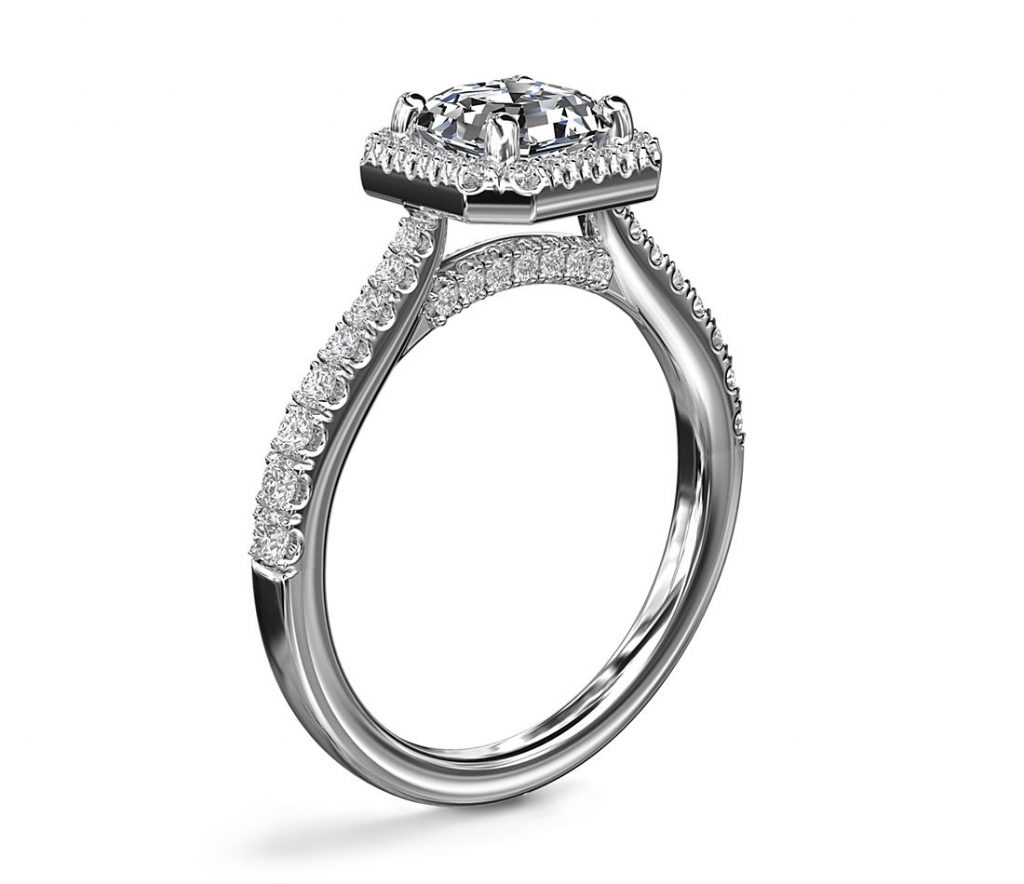
How to Pick a Perfect Diamond (Including Lab-Grown Diamonds)
Step 1: Learn the 4C Standards (Ranked by Importance)
1. Cut – The most important factor
Cut does not refer to a diamond’s shape, such as round or princess cut. It stands for the cutting skill of craftsmen. A good cut decides how light reflects and refracts inside the stone, which directly affects its overall sparkle.
Grading scale: Excellent > Very Good > Good > Fair > Poor
Purchasing tips: Always choose Excellent or Very Good cut first. You can slightly lower your standard for color or clarity, but never compromise on cut. A diamond with poor cut will look dull and dim, even if it has top-level color and clarity.
2. Color – Decide visual whiteness
The GIA grades diamond color from grade D (completely colorless) to Z (light yellow or brown). The closer to grade D, the rarer and more expensive the diamond is.
Cost-effective choices: Grade G, H, I and J are great options. To the naked eye, these diamonds look almost colorless, while their prices are much more affordable than D to F grades. They are widely popular among buyers.
Purchasing tips: If your diamond is set in white gold or platinum, pick H color or above. For diamonds mounted on yellow gold, the slight yellow tint of I and J color is hard to notice at all.
3. Clarity – Amount of inclusions
Clarity describes the quantity of internal inclusions and external blemishes on a diamond. These natural marks are unique traces formed during its growth.
Grading scale: FL / IF (Flawless) > VVS1 / VVS2 (Very Very Slightly Included) > VS1 / VS2 (Very Slightly Included) > SI1 / SI2 (Slightly Included) > I1 / I2 / I3 (Included)
Cost-effective choices: VS1, VS2 and SI1 are practical picks. Inclusions in SI1 diamonds are usually invisible to naked eyes, and can only be seen under a 10x magnifying glass. You can get a clean-looking diamond at a lower cost.
4. Carat – Diamond weight
One carat equals 100 points, or 0.2 grams. Generally speaking, the higher the carat weight, the larger and rarer the diamond is.
Purchasing tips: Choose carat weight according to your budget. Do not blindly chase big carat numbers at the cost of the other three Cs. Sometimes a 0.9 carat diamond with superior cut, color and clarity looks more beautiful and brilliant than a larger low-quality stone.
Step 2: Key Factors Beyond the 4Cs
1. Official Certificate – Diamond’s ID document
Always ask for a GIA certificate. The Gemological Institute of America is the most authoritative and strict diamond grading laboratory in the world. A GIA certificate guarantees that the 4C grades and descriptions are true and accurate, so you will not get an overrated diamond.
2. Fluorescence
Some diamonds will give out blue light under ultraviolet rays. Diamonds with Medium or stronger fluorescence may look hazy in natural daylight, which harms their transparency and market value.
Purchasing tips: It is recommended to choose diamonds with None, Faint or Medium fluorescence.
3. Shape – A matter of personal style
Diamond shape barely affects its value, it all depends on your personal taste. Round Brilliant cut is the most classic and sparkly shape, but it is also the most expensive. Fancy cuts like Oval, Cushion and Princess usually offer better value for money.
Selection Strategy & Budget Allocation
First of all, set your total budget clearly. This is the foundation of your whole decision.
Priority order: Cut > Certificate > Color > Clarity > Carat
Best buying plan: Within your budget, first confirm Excellent or Very Good cut and a valid GIA certificate. Then select color from G to J, followed by VS2 or SI1 clarity. Finally, use the remaining budget to decide the proper carat weight.
Check the diamond in person or via digital tools:
If you shop in physical stores, view the diamond under different light sources, especially natural sunlight.
If you buy online from retailers like James Allen or Blue Nile, make full use of 360° high-definition videos to check the real look of the diamond. This is a big advantage of online shopping.
Remember, there is no such thing as a totally perfect diamond. The best one is the stone that balances the 4Cs well and fits your preference within budget. A diamond is more than just a product; it is a token of emotions. Your fondness is always the final standard.
Always make sure the diamond comes with a certificate issued by trusted institutions such as GIA, to confirm its quality and authenticity.
Diamond Jewelry Design & Matching
From classic solitaire rings to modern necklaces and earrings, diamonds adapt to all kinds of design styles. Whether for daily wear or special occasions, they bring low-key luxury and easily become the highlight of your outfit.
Conclusion
As the birthstone of April, diamond is an eternal symbol that crosses cultures and eras. It combines the magic of nature and human emotions, witnessing every precious moment in life. No matter you send it as a gift or buy it to reward yourself, a diamond will forever carry beautiful stories of love and joy.