Not all diamonds are worth buying!!!
Both milky tint and brown hue:Tap to see full diamond info
This diamond has milky:Click view detailed diamond information
This diamond has green fluorescence.:View diamond details
This diamond has a cavity:See the diamond details
Oval cut diamonds have become increasingly popular in recent years. They feature a soft, elegant silhouette and deliver brilliant sparkle. They also flatter most finger shapes. Unlike round diamonds with fixed grading rules, oval diamonds have no strict universal cutting standards. Their proportions are only references, not absolute criteria for quality.
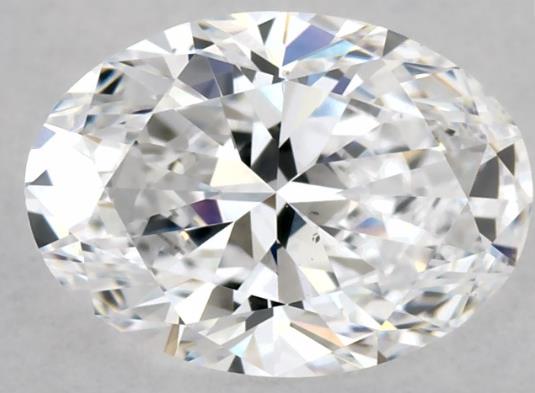
The most important measurement for oval diamonds is the length-to-width ratio. The industry’s most balanced and ideal range is 1.40 to 1.45. This ratio creates a graceful outline and effectively reduces the appearance of the oval-specific bowtie shadow. A ratio of 1.30 to 1.40 produces a rounder, fuller shape. It suits people who prefer a delicate and compact look. A ratio of 1.45 to 1.50 offers a slender shape that visually lengthens fingers. Ratios above 1.50 usually deepen the dark bowtie effect and weaken diamond fire and brilliance.
Classic ideal cutting parameters are key to balanced light performance and stable sparkle. A premium oval diamond features a table width ratio of 55% to 63%. This range perfectly balances bright white light and colorful fire, avoiding dullness or overly scattered light. The ideal total depth percentage falls between 59% and 65%, which supports overall light return. Critically, the pavilion depth ratio should stay within 41.5% to 45%. This standard effectively prevents light leakage and dark central shading, two common flaws that ruin an oval diamond’s brilliance. The crown height ranges from 12% to 15% to ensure sufficient light reflection. The girdle should be thin to medium. A thick girdle wastes carat weight, while an overly thin girdle increases chipping risk. A tiny or no culet also helps avoid additional bottom shadow.
Symmetry and polish also greatly impact visual quality. Excellent or Very Good symmetry ensures smooth curves and balanced shoulders. It prevents distorted outlines and sharp, pinched ends. High polish delivers clear surface luster and stable light transmission.
Even diamonds with perfect textbook proportions may still show obvious bowtie shadows. This is why data parameters are never enough for final judgment. The most direct and effective screening method is checking real stone videos and actual footage. Real visuals clearly show the size and darkness of the bowtie. It helps buyers quickly eliminate poorly cut stones.
So standard oval diamond proportions serve only as guidelines. Live video inspection is the most reliable way to pick a bright, high-quality oval diamond with minimal bowtie effect. Troubled by choosing an oval diamond? Feel free to get in touch with us.