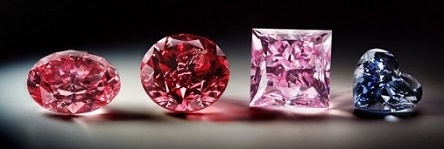
The striking blue hue of natural blue diamonds stems from elemental impurities absorbed during the diamonds’ deep underground formation millions of years ago. When boron atoms infiltrate the diamond’s carbon crystal lattice, they create acceptor energy bands within the mineral’s internal atomic structure. These unique energy bands absorb long-wavelength segments of visible natural light; the remaining unabsorbed short-wave light reflected to the human eye produces the characteristic cool blue shade that defines these rare stones. Due to the precise geological conditions required for boron to integrate evenly into diamond crystals, naturally occurring blue diamonds are exceptionally hard to find. Even diminutive natural blue diamonds of small carat weights can command valuations reaching tens of thousands of currency units.
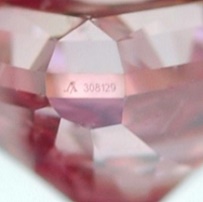
Beyond colour performance, multiple core factors jointly dictate a blue diamond’s final market price, including carat weight, colour saturation, tone purity, clarity grade and cut brilliance, with colour characteristics consistently acting as the most decisive pricing factor.If you are captivated by the serene cerulean shade of clear skies and the profound dark blue of the deep ocean, collecting a genuine natural blue diamond is an unparalleled choice for gem enthusiasts. A massive price gap separates lab-created synthetic blue diamonds from naturally formed counterparts, with synthetic variants costing merely a fraction of the price of rare natural stones. Therefore, buyers must exercise extreme caution to avoid accidentally purchasing artificially treated or laboratory-grown blue diamonds when shopping. It is critical to verify an official GIA diamond grading certificate as authoritative proof of authenticity. Certificates for unaltered natural blue diamonds will clearly print the marking “natural” to distinguish them from treated or synthetic alternatives. For authentic blue diamonds sourced from the Argyle Mine, an exclusive laser engraving bearing the “Argyle” identification code is etched onto the stone’s girdle, serving as an exclusive origin authentication mark for collectors.
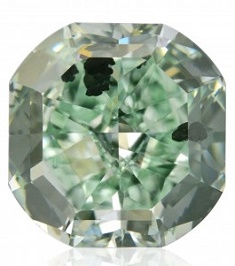
For buyers working within constrained budgets, or those who do not favour unmodified pure blue tones, there are numerous beautiful alternative fancy blue diamond varieties available on the market. Blue-purple, blue-grey and blue-green diamonds carry soft, unique mixed secondary hues, deliver mesmerising visual appeal, and feature far more accessible price points compared to fully saturated pure blue diamonds. These toned hybrid blue diamonds retain the elegant cool undertones that make blue gemstones desirable, while offering flexible options for collectors with diverse aesthetic preferences and spending limits.
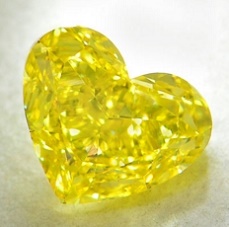
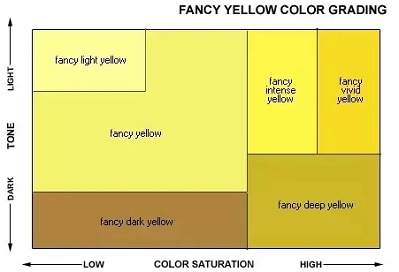 Appraisal institutions are more likely take the color as first consideration for