Have you noticed that some diamonds share exactly the same 4C grades, but their prices vary a lot? Today we are going to talk about one key reason behind this gap: milky, brown and green tints. This is a common term in the diamond industry for flawed stones. These unwanted visual issues will make a diamond look dull, lose its fire and transparency, carry odd hues and stop it from sparkling brightly.
Actually, this phrase stands for three different undesirable features. Let’s break them down one by one.
First is milkiness. A milky diamond looks foggy, as if covered by a layer of white mist, and it never looks clear.
What causes a diamond to turn milky?
It is not caused by one big inclusion inside the stone. Instead, there are countless tiny clouds spread all over the diamond. There are so many of these cloud inclusions that lab cannot mark each one out on the clarity plot of the certificate. These tiny clouds scatter the light that enters the diamond. As a result, the stone loses its brightness and fire. Milky appearance greatly ruins a diamond’s clarity and sparkle. It is the most frequent flaw among the three, and you must try your best to avoid it when shopping.
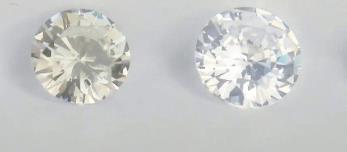
Second comes the brown tint. Such diamonds carry obvious brown or coffee-like tones.
Where does the brown color come from?
It is part of the diamond’s natural body color. According to the GIA color grading scale from D to Z, diamonds from grade K down will show visible yellow tones to the naked eye. The brown tint is an extra ugly tone mixed with yellow. It makes the diamond look dark and dirty, weakening fire and transparency. It also ruins the pure white look of the stone, and even makes it seem old and worn.
Third is the green tint. It means a colorless diamond has faint green hues on its surface. Please note this is not the vivid fancy green diamonds which are extremely valuable collectibles. The green we talk about here is an unpleasant greyish-green secondary color. It usually appears together with milky and brown features. This bad tint lowers the overall color quality, makes the diamond look strange and dim, and destroys its pure color tone.
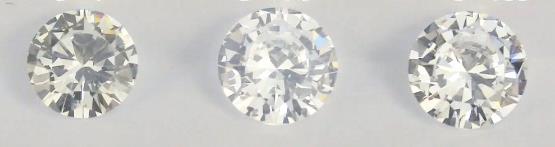
Some low-quality diamonds may have one or more of these three flaws at the same time. Professionals divide them into three levels: slight, moderate and heavy. Even if these diamonds have nice certificate ratings, such as G-H color and VS clarity, their real look and market value are much lower than normal diamonds with the same grades.
Now, how can you stay away from diamonds with milky, brown or green tints?
Authoritative certificates are the first step. Always pick diamonds certified by GIA, IGI or AGS. However, these reports will not directly label a diamond as milky or tinted. You need to learn to check the details carefully.
First, read the clarity characteristics section on the certificate. If you see the word Cloud, plus notes like
Cloud is not shown or
Pinpoints are not shown, or a large number of
twinning wisps are recorded, you need to be very careful. These signs often mean massive tiny inclusions inside, which will create a milky effect.
Second, do not choose diamonds with too low color grades. Pick H color or higher, this can largely prevent obvious yellow and brown tones.
Third, buy from trustworthy sellers. Choose stores that provide real photos and videos of each diamond, and clearly promise no milky, brown or green tints. Platforms like Blue Nile and James Allen post detailed videos for every single stone. Watching these videos is the most direct way to avoid problematic diamonds.